What Homeowners Should Know About Insurance and Gutter Repair
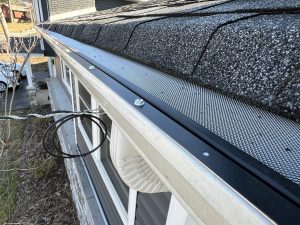


Most homeowners do not spend much time thinking about gutters until something goes wrong. A seam starts dripping over the front walk. A downspout pulls away from the siding after a windstorm. Water spills over the edge during a hard rain and suddenly there is staining on the fascia, mulch washed into the driveway, or worse, moisture creeping toward the foundation.
That is usually when the insurance question comes up. If the gutter damage happened during a storm, is it covered? If the gutters have been leaking for months and finally caused rot, does the policy help? If a branch fell, does that change things? Home insurance can help in some gutter-related situations, but not nearly as often as people assume. The difference usually comes down to one principle: insurance is designed for sudden, accidental damage, not gradual wear or neglected maintenance.
Understanding that distinction can save a homeowner a lot of frustration. It can also shape better decisions about Gutter Repair, documentation, and when to call a contractor versus when to call the insurer.
The basic rule insurers follow
Most standard homeowners policies cover damage caused by what the industry often calls a covered peril. In plain language, that means a specific event listed in the policy, such as wind, hail, fire, falling objects, or the weight of ice and snow. If that event directly damages your gutter system, there is a reasonable chance the repair may be covered, subject to your deductible and policy terms.
That sounds straightforward until real life gets involved. Gutters sit on the outside of the house and take a beating year after year. They fade, clog, loosen, corrode, and pull apart at fasteners. Sealant fails. Hangers sag. Downspouts get hit by lawn equipment. Roof runoff overflows because leaves build up. From a claims standpoint, many of these issues look like maintenance, not sudden loss.
A homeowner might say, “The gutter failed during the storm.” The adjuster may see a system that had been deteriorating for several seasons and simply gave out under normal stress. That gap between what feels storm-related and what can actually be proven is where many claims stall.
When gutter damage is more likely to be covered
Coverage is usually strongest when there is a clear event, visible damage, and a short timeline between the event and the claim. If a windstorm tears a section of aluminum gutter off the eave and deposits it in the yard, that is easier to evaluate than a gutter that has been leaking at the corner for six months and finally stained the soffit.
A few common scenarios tend to line up better with insurance coverage:
- Wind rips gutters, fascia metal, or downspouts loose in a documented storm.
- Hail dents metal gutters badly enough to impair drainage or function.
- A tree limb or other falling object crushes a gutter section.
- Ice buildup causes a sudden collapse of attached gutter components.
- Fire damages the roof edge, including the gutter system.
Even in these cases, coverage is not automatic. The insurer may still ask whether the gutters were in sound condition before the loss, whether the damage affects function or only appearance, and whether the repair cost exceeds the deductible by enough to justify a claim. Cosmetic dents that do not interfere with drainage can be a gray area, especially on older systems.
What usually is not covered
This is where many homeowners get caught off guard. Gutters are a maintenance-heavy part of the house, and insurance policies are not maintenance contracts. If the problem developed over time, there is a good chance the cost falls on the homeowner.
Wear and tear is the classic exclusion. So is deterioration from rust, corrosion, age, poor installation, or lack of upkeep. If gutters were clogged, backed up, and overflowing for months, the insurer may classify resulting wood rot or water intrusion as preventable damage. The same goes for sagging caused by old fasteners pulling loose over time.
There are also cases where the gutter itself is not covered, but the damage it contributed to becomes part of a more complicated claim. For example, if ice dams led to interior water damage, the policy may respond differently to the ceiling repair than to the old gutter section that should have been maintained. These mixed claims are where details matter, and where homeowners often benefit from reading the exact policy language rather than relying on assumptions.
The deductible can make a small claim pointless
Even when a claim is technically covered, it may not make financial sense to file it. Many gutter repairs are relatively modest compared to a standard homeowners deductible. If your deductible is $1,000 or $2,500 and the damaged section costs $650 to replace, insurance offers no practical benefit.
This comes up often after localized storm damage. A single detached downspout, a bent elbow, or one crushed run along a garage might be repairable for a few hundred dollars. In those cases, homeowners sometimes open a claim before pricing the work, only to discover they are below the deductible. That is not always harmless. Depending on the carrier and market, claims history can affect future premiums or underwriting, even if no payment is issued.
A better first move is often to have a reputable contractor inspect the damage and provide a written estimate. That gives you a baseline before involving the insurer. If the gutter issue is part of larger storm damage to the roof, siding, soffit, or fascia, the economics may change quickly.
Gutters are rarely a standalone issue
One of the biggest mistakes homeowners make is treating gutter damage as an isolated problem. In practice, gutter systems sit at the intersection of roofing, fascia, soffit, siding, drainage, and foundation protection. When one part fails, the surrounding materials often tell the real story.
A contractor who does careful exterior inspections will usually look for more than the obvious bent metal. They will check whether the fascia board behind the gutter is soft. They will look at shingle overhang, drip edge details, and signs of overflow staining. They will inspect where downspouts discharge and whether splash blocks or underground drains are working. They will also note whether the damaged section matches the rest https://charliebmdv182.northstarcolumn.com/posts/how-to-know-when-small-gutter-repair-jobs-become-big-problems of the system in age and condition.
This broader context matters for insurance. If a storm damaged the gutters but also lifted shingles and allowed water at the roof edge, the claim may involve multiple building components. If the gutter pulled away because the wood behind it had already rotted, that leans toward maintenance. Same symptom, different outcome.
Documentation can make or break a claim
Homeowners often think documentation means snapping a few pictures after the damage is noticed. Better than nothing, but usually not enough. The strongest claims have a chain of evidence that ties damage to a specific event and shows the condition clearly.
Good documentation starts with date-stamped photos taken as soon as it is safe to do so. Wide shots help show location on the home. Close-ups help show fastener failure, dents, separation at joints, crushed sections, or impact marks from debris. If there was a storm, keep screenshots or reports showing the date and severity in your area. If a branch fell, photograph the branch before it is moved. If water entered the house, document that as well.
Written observations matter too. A simple note that reads “north side gutter detached after storm on April 12, water overflowing near front bedroom window, branch found below eave” is more useful than memory two weeks later. If you had recent maintenance, keep the invoice. Proof that the gutters were cleaned or serviced not long before the loss can help counter the assumption that neglect caused the failure.
Contractor reports are particularly valuable when they are specific. “Replace gutter” is weak. “Storm-related detachment of 22 linear feet of 5-inch K-style aluminum gutter with bent hidden hangers and impact damage near northeast corner” gives the adjuster something concrete to evaluate.
Why old gutters create insurance headaches
Age alone does not automatically eliminate coverage, but it complicates almost every claim. A twenty-year-old gutter system may still function, yet insurers and adjusters know older materials are more vulnerable to failure. Sealants dry out. Expansion and contraction fatigue connections. Hangers loosen. Finish coatings degrade. Once those age-related conditions are visible, the insurer may argue that the storm exposed a pre-existing weakness rather than causing all the damage.
Matching can be another problem. Even when part of the repair is covered, finding the same profile, color, or material can be difficult. Older steel gutters may no longer be practical to patch seamlessly. Discontinued colors in aluminum systems can leave homeowners with a choice between visible mismatch and a larger out-of-pocket replacement.
This matters because homeowners often assume a covered damaged section means the entire gutter system gets replaced. Sometimes it does, especially if the damaged area cannot be reasonably matched or integrated. Often it does not. Policy language, local regulations, and the extent of the loss all influence that outcome.
The difference between repair and replacement
From an insurance standpoint, repair is usually the starting point. If a damaged section can be restored to function with like kind and quality, that is the path many carriers prefer. Homeowners, understandably, may want full replacement if the rest of the system is aging, mismatched, or poorly performing.
That tension is common in Gutter Repair claims. A contractor may say, with some justification, that patching a badly bent corner into an old, brittle system is false economy. The insurer may reply that only the visibly damaged portion is covered. Neither side is always wrong. They are just applying different standards.
In the field, the practical answer often comes down to how integrated the problem is. If one run is damaged but the fascia is solid and the neighboring sections are sound, a targeted repair can be sensible. If the impact twisted adjoining sections, pulled loose multiple hangers, and exposed wood deterioration behind the metal, sectional replacement may be shortsighted. Homeowners should ask contractors to explain not only the cost, but the expected service life of the repair. A lower estimate is not a bargain if it fails in the next freeze-thaw cycle.
Water damage is where the stakes rise
A bent gutter is annoying. Water entering the wall cavity is expensive. Once gutter failure leads to interior damage, mold concerns, insulation replacement, drywall work, and painting can all follow. That is why insurers look so closely at whether the water intrusion was sudden and tied to a covered event, or the result of a long-standing drainage problem.
I have seen small exterior defects produce surprisingly large downstream costs. A leaking corner over a window trim board can soak the wood for a season before anyone notices. By the time the paint bubbles, the sheathing may already be compromised. At that point, the homeowner is no longer talking about a few brackets and a short gutter section. They are paying for carpentry, flashing correction, finish work, and possibly interior repairs.
This is one reason prompt action matters. Even if you plan to file a claim, insurers generally expect homeowners to take reasonable steps to prevent further damage. Temporary measures such as securing a loose section, diverting runoff, or arranging emergency service can help protect both the property and the claim.
How to talk to your insurer without making the process harder
Homeowners do not need to become claims experts overnight, but they should approach the conversation carefully. The first description of the loss often shapes the file. Vague statements such as “our gutters have been leaking for a while” can steer the claim toward maintenance before the adjuster even inspects the house. If the problem truly followed a specific storm or sudden event, say that clearly and stick to observable facts.
A practical sequence often works best:
- Document the damage thoroughly before cleanup changes the scene.
- Get an inspection and written estimate from a qualified contractor.
- Review your deductible and basic policy terms if you have them handy.
- Report the loss with a clear date and description of the event.
- Mitigate further damage while preserving receipts and photos.
That is not about playing word games. It is about accuracy. Insurance decisions rest on cause, condition, and timing. The more precise you are, the easier it is for the adjuster to evaluate what happened.
Choosing the right contractor matters more than many realize
Not every roofing or exterior company handles insurance-related gutter issues well. Some are excellent installers but poor documenters. Others know the claims process but oversell replacement when a repair would do. Homeowners need a contractor who can diagnose the source of failure, distinguish old deterioration from new damage, and put that assessment in writing.
Ask direct questions. Did the storm actually damage the gutter, or did it expose a weak attachment point? Is the fascia sound? Are there signs of long-term overflow? Will the repair restore proper pitch and drainage, or only address the visible bend? If the answer to those questions is fuzzy, the estimate may not carry much weight when the adjuster arrives.
It also helps to work with someone who understands that gutters cannot be evaluated in isolation. A seasoned exterior contractor looks at roof edge details, the drip line, splash patterns, soffit ventilation, and the path water takes after it leaves the downspout. That wider lens often reveals whether the claim is simple, weak, or part of a much larger moisture problem.
Maintenance records are more valuable than most people think
Homeowners rarely keep a file labeled “gutter history,” but they should keep something close to it. A service invoice from fall cleaning, a receipt for replacing hidden hangers, or photos taken after a prior repair can all help establish that the system was being maintained.
This matters because the insurer may not only ask what happened, but also whether the homeowner took reasonable care of the property before the loss. If the answer is supported by records, the discussion changes. A well-maintained gutter torn off in a wind event looks very different from an obviously clogged, neglected system that finally failed during ordinary rain.
Maintenance also protects against the kind of borderline damage that never gets covered. Cleaning out debris, tightening loose sections, resealing joints when appropriate, and correcting poor downspout discharge are not glamorous tasks, but they are far cheaper than rebuilding rotted trim or arguing over denied water damage.
Regional weather changes the risk profile
The insurance side of Gutter Repair looks different depending on where the home is located. In hail-prone areas, denting and impact damage may be a frequent issue. In wooded neighborhoods, falling limbs and chronic clogs are more common. In northern climates, ice load and freeze-thaw cycles can stress attachments and create dangerous overflow. Coastal markets bring wind exposure and corrosion concerns.
That means homeowners should not rely too heavily on what happened to a friend in another state. Policy forms vary, carriers vary, and the same gutter failure can be interpreted differently depending on local weather patterns and construction norms. A steep roof with heavy snow slide risk puts different demands on a gutter system than a low-slope roof in a warm climate. The insurance analysis follows those realities.
What homeowners can do before there is ever a claim
The best insurance strategy usually starts long before damage occurs. Gutters should be considered part of the home’s water management system, not an accessory. A little preventive attention reduces both repair costs and claim disputes.
If your gutters are older, have them inspected before storm season. If they routinely overflow, do not assume cleaning alone is the answer. Capacity, pitch, downspout placement, and roof area all matter. If a section has pulled loose once, find out why. Refastening without checking the wood behind it is a temporary fix at best.
Take baseline photos after maintenance or replacement. Keep invoices in a digital folder. Know your deductible. Read the sections of your homeowners policy that discuss exclusions and sudden accidental loss. None of that eliminates risk, but it puts you in a much better position if a storm, branch, or ice event damages the system.
The practical bottom line
For most homeowners, the smartest approach is simple: think of gutters as a maintenance item first and an insurance matter second. If a sudden event clearly caused the damage, document it well and evaluate the numbers before filing a claim. If the problem built up over time, focus on proper repair and on preventing larger water issues.
Gutter damage is easy to underestimate because the metal itself often looks minor. The real cost comes from where the water goes next. When homeowners understand how insurers separate sudden loss from long-term deterioration, they are better equipped to respond quickly, choose the right contractor, and make decisions that protect both the house and the wallet.
Just Gutters LLC
262 Main St
Hackettstown, NJ 07840, United States
Phone: +1 201-331-9454
FAQ About Gutter Repair
Is it cheaper to repair or replace gutters?
Repair can cost less when damage is limited and the remaining system is sound. Replacement may offer better value when leaks, corrosion, or repeated failures affect several sections. An inspection and written estimate can help compare the options.
Can damaged gutters be repaired?
Many localized problems, including leaking joints, loose brackets, sagging sections, and damaged downspout connections, can be repaired. The best approach depends on the material, extent of damage, and condition of the mounting surface.
Can I repair gutters myself?
Simple ground-level checks may help identify a problem, but roof-edge work carries fall risks and may require specialized tools. Professional assessment is advisable for high gutters, loose sections, hidden wood damage, or uncertain drainage problems.