Vinyl vs Metal Gutter Installation: Pros and Cons
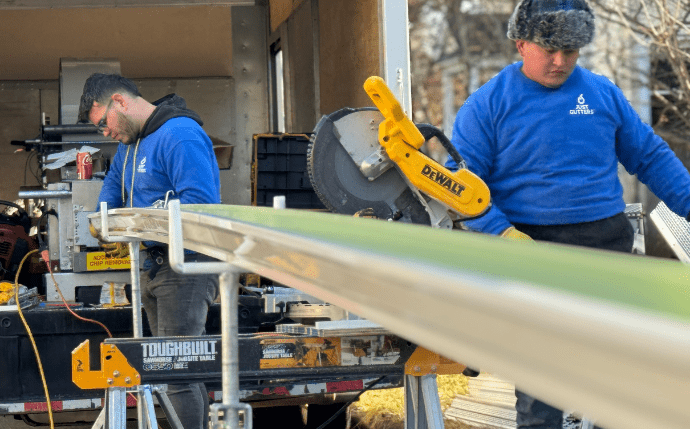
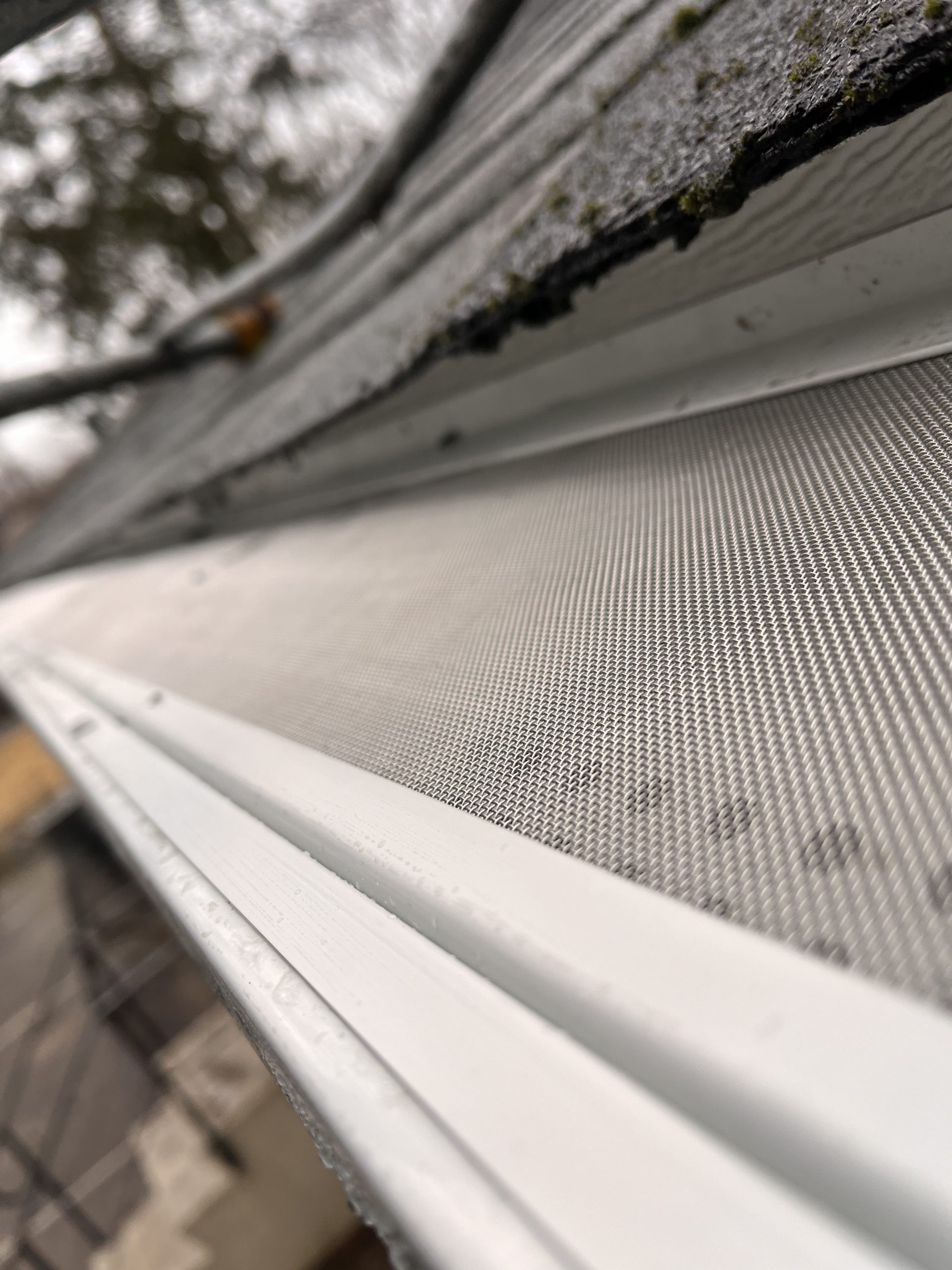
Choosing gutters sounds simple until you stand in a driveway looking up at a roofline, trying to balance budget, appearance, lifespan, and maintenance. That is when the material question stops being theoretical. Vinyl and metal gutters can both move water away from a house effectively, but they do not behave the same way over ten or twenty years. They install differently, age differently, and fail in different ways.
I have seen both types perform well, and I have seen both become expensive headaches for reasons that were easy to predict at the start. The right pick usually depends less on which material is "best" in the abstract and more on climate, roof size, tree coverage, fascia condition, and how long the homeowner plans to stay in the property. Good gutter installation matters as much as the material itself, but the material still shapes the long-term outcome.
Why the material matters more than most homeowners expect
A gutter system lives in a rough environment. It handles fast-moving roof runoff, wind uplift, leaf debris, ice, ladder bumps, and constant expansion and contraction from temperature swings. It also hangs in plain sight across the front of the house. If it sags, chalks, dents, leaks, or pulls away from the fascia, it is immediately noticeable.
That is why the vinyl versus metal conversation deserves more attention than it usually gets. Price tags at the store or on an estimate only tell part of the story. A low-cost system that needs early replacement can cost more than a pricier system that stays straight and watertight for decades. On the other hand, paying for a premium metal gutter on a small starter home in a mild climate may not make financial sense either.
The decision gets even more important when homes have foundation issues, basements, or landscape grading problems. In those cases, poorly performing gutters do more than drip on a walkway. They can contribute to soil erosion, wet crawlspaces, and water pressure against foundation walls.
What vinyl gutters do well
Vinyl gutters are often the first choice for homeowners who want the lowest upfront cost and a straightforward installation. They are lightweight, easy to transport, and simple to cut and assemble with basic tools. For a detached garage, a shed, or a modest single-story house in a temperate region, vinyl can be perfectly adequate.
One of vinyl's biggest advantages is that it does not rust. That matters to homeowners who hear "metal" and immediately picture corrosion. Vinyl also comes in several colors, so a basic color match is usually possible without painting. Because the material is light, gutter installation tends to go faster, especially on simpler rooflines. That can reduce labor costs.
Another practical advantage is accessibility. Vinyl systems are widely available through home centers, and replacement sections, end caps, and connectors are easy to find. If a branch damages one short run, the repair is often straightforward. For handy homeowners, vinyl is the most approachable material for a small do-it-yourself project.
There is also something to be said for its forgiving price point. Not every home improvement decision needs to be optimized for a 30-year horizon. If the property is being refreshed for sale, or if the budget has to cover a roof, siding, and drainage all at once, vinyl can solve an immediate water-management problem without draining the renovation fund.
Where vinyl gutters fall short
The same qualities that make vinyl easy to install also limit its durability. It is less rigid than metal. Long runs are more prone to sagging if hanger spacing is not tight and consistent. Connectors and seams can separate over time, especially where freeze-thaw cycles are common. In cold climates, brittle cracking is one of the most common failure points. I have seen corners split after an ice-heavy winter, even when the gutters were not especially old.
Heat can be just as hard on vinyl as cold. In hot, sunny regions, some products warp, fade, or become chalky. Darker colors https://pastelink.net/us6ssw9n tend to show aging more quickly. Expansion and contraction are not unique to vinyl, but the material often makes those movements more obvious. That is why precise slope and support spacing matter so much with vinyl systems. A sloppy install will reveal itself quickly.
Impact resistance is another weakness. A ladder leaned carelessly against a vinyl gutter can crack it. A branch strike that would dent aluminum may break vinyl outright. On homes with mature trees overhead, that difference becomes important.
There is also the matter of appearance over time. New vinyl can look clean and tidy, but lower-grade products can lose that crisp look faster than metal. Once a vinyl run starts to wave or sag, the whole front elevation looks tired. For higher-end homes, that cosmetic decline is often enough reason to avoid it.
Metal gutters cover a wide range, not one category
"Metal gutters" is a broad label, and that is where many comparisons get fuzzy. Aluminum, galvanized steel, zinc, and copper all fall into the metal category, yet they behave very differently. Most residential comparisons are really between vinyl and aluminum, because aluminum is by far the most common metal choice for modern homes. It is light, rust-resistant, and available in seamless profiles, which reduce leak points.
Steel is stronger than aluminum, but it is heavier and can eventually rust if the protective finish is compromised. Copper sits in a separate class. It lasts a very long time, looks distinctive, and costs accordingly. Zinc is less common in many markets but known for longevity and a patinated finish.
When homeowners compare estimates, it helps to ask which metal is being quoted and whether the gutters are sectional or seamless. A seamless aluminum system installed on site is a different product from pre-cut steel sections assembled with multiple joints. The estimate may say "metal," but the actual value lies in the details.
Why metal is often the long-term choice
Metal gutters, especially aluminum, generally offer better structural performance than vinyl. They hold their shape over longer spans, resist sagging better, and handle weather stress more reliably when installed correctly. That strength shows up in everyday ways. Heavy rain runs through them without making the system feel flimsy. A ladder can be used more carefully around them without instant damage. Snow and minor debris impacts are less likely to cause catastrophic failure.
Seamless aluminum has another major advantage. Fewer joints mean fewer opportunities for leaks. On a long eave, that matters. Sectional systems, whether vinyl or metal, always introduce more connection points. Every connection is a place where sealant can age, movement can occur, or debris can catch.
Metal also tends to offer a cleaner finished appearance. On many homes, especially two-story houses and properties with visible front elevations, the sharper lines of metal look more substantial. If curb appeal matters, this is not a trivial point. Gutters frame the roof edge, and subtle visual differences become obvious once the system is installed.
In terms of lifespan, aluminum usually outlasts vinyl under normal residential conditions. Exact years depend on climate, maintenance, and product thickness, but it is common to see well-installed aluminum remain serviceable for decades. Vinyl can also last for years, but the range is less predictable because climate stress affects it so strongly.
The drawbacks of metal that estimates do not always explain
Metal is not automatically the better buy in every case. Cost is the obvious downside. Even standard aluminum gutter installation costs more than vinyl, and premium metals rise quickly from there. If the home has a complex roofline with multiple corners, downspouts, and upper-story access, labor costs can climb even higher.
Denting is another issue, particularly with thinner aluminum. It will not usually crack the way vinyl does, but hail, ladders, or dropped branches can leave visible marks. On the functional side, a dent is often less serious than a crack. On the cosmetic side, it can still bother homeowners.
Steel raises the corrosion question. Galvanized steel performs well when properly maintained, but once finishes wear through or standing water sits too long in the trough, rust can begin. That makes steel a stronger choice structurally, but not always a lower-maintenance choice.
Noise sometimes comes up too, especially in homes with metal roofs or in quiet neighborhoods where people notice the sound of heavy rain. In practice, gutter noise has more to do with water volume, slope, outlet sizing, and splash behavior than with the gutter material alone, but metal can sound sharper than vinyl in some conditions.
Finally, metal repairs can be less forgiving for homeowners who want to tackle everything themselves. Small fixes are manageable, but creating a clean, durable repair on a dented or pulling section often takes more skill than replacing a cracked vinyl connector.
Climate usually settles the argument
If I had to identify the single factor that most reliably pushes the choice one way or the other, it would be climate. In regions with hard winters, snow loads, and repeated freeze-thaw cycles, metal generally has the edge. Vinyl simply does not love that environment over the long haul. Brittle corners, separated seams, and stress cracks show up too often.
In very hot climates with intense UV exposure, aluminum also tends to age more predictably than vinyl. Good finishes still matter, but the system usually keeps its shape better. That consistency becomes visible after several summers.
In mild climates, the gap narrows. On homes where roof runoff is moderate and tree debris is minimal, vinyl can deliver solid value. Coastal areas add complexity. Salt air can be rough on some metals, though aluminum and higher-end options can still perform well if selected carefully. Local installer experience matters a great deal there, because they know which finishes and fasteners hold up in that specific environment.
I once looked at two neighboring homes built within a year of each other. One had vinyl gutters that had gone wavy and brittle after several winters, while the other had aluminum that still sat straight against the fascia. The houses faced the same wind and storms. The difference was not subtle. It was one of those cases where climate and material compatibility told the story without needing much debate.
Installation quality matters as much as the material
A poor gutter installation can make a good material perform badly. I have seen high-quality aluminum systems overflow because the pitch was inconsistent and the downspouts were undersized. I have also seen modest vinyl gutters work reasonably well because the installer used enough supports, kept the slope clean, and placed downspouts where water actually needed to go.
The material decision should always be paired with questions about attachment method, hanger spacing, outlet size, fascia condition, and runoff management at grade. Gutters do not work in isolation. If the downspouts dump next to the foundation, or if underground drains are clogged, the best gutter in the world will not solve the larger drainage problem.
Homeowners should also understand that seamless fabrication benefits metal systems in a way vinyl cannot really match. Seamless does not mean leak-proof forever, but it does remove many of the weak spots found in sectional assemblies. That is one reason professional metal gutter installation often produces a more durable system, even before you compare the materials themselves.
Maintenance differences in the real world
Both vinyl and metal need cleaning. Leaves, seed pods, roof grit, and shingle granules do not care what the gutter is made from. But the way the materials respond to maintenance is different.
Vinyl tends to require gentler handling. If you are clearing packed debris by hand in cold weather and tugging on a brittle corner piece, breakage is a real risk. Metal is usually more forgiving during cleaning, though it can still be bent if someone leans too hard or drags tools along the edge.
Seams deserve attention with any sectional system. Vinyl connectors can loosen or leak as they age. Metal sectional joints can also fail, but seamless systems reduce how many of those joints exist in the first place. Over time, that often means fewer nuisance repairs.
Paint and finish maintenance depends on the product. Aluminum commonly comes with factory finishes that hold color well. Steel may need closer inspection for chips or scratches. Copper and zinc are different again, since their aging is part of the intended appearance rather than a defect.
Cost at the start versus cost over time
Budget always matters, but comparing only the initial estimate can be misleading. A lower-cost vinyl system may save money today, yet if it needs partial replacement after a few severe seasons, the lifetime cost picture changes. Metal, especially aluminum, often demands more money upfront but spreads that cost over a longer usable life.
That does not mean every homeowner should stretch for metal. If the home is a rental property where function matters more than aesthetics, the climate is mild, and the roofline is simple, vinyl may be the sensible financial choice. If the house is a long-term residence in a snow belt, the more durable option often pays for itself in avoided repairs and fewer callbacks.
There is also a hidden cost in repeated water issues. If a cheaper system contributes to overflow near entryways, basement dampness, or fascia rot, the savings disappear quickly. Gutters are one of those components where a modest material upgrade can prevent a much larger repair later.
Which material fits which kind of home
The home itself often points toward the answer. A smaller single-story house with easy access and limited tree cover can function well with vinyl, provided the region is not punishingly hot or cold. A large two-story house with long roof runs, valleys that concentrate water, and visible front elevations usually benefits from metal. The system needs to be stronger, neater, and more stable over time.
Architectural style matters too. Traditional homes, brick exteriors, and higher-end remodels tend to look better with metal, particularly when paired with matching trim and downspouts. Vinyl can appear out of place on homes where the finish details carry a lot of visual weight.
Then there is the homeowner profile. Some owners want a low-entry-cost solution and do not mind replacing parts later. Others want a fit-and-forget system and are willing to invest more once. Neither approach is unreasonable. The mistake is choosing a material that conflicts with the climate or the demands of the house.
The questions worth asking before you decide
Before approving any gutter installation, it helps to ask a few practical questions. How severe are winters and summers in your area? How much roof water will the gutters actually carry? Will the system be seamless? How many downspouts are included? What gauge or thickness is being proposed for metal? How far apart will hangers be spaced? Is the fascia sound enough to support the new system?
These questions usually reveal more than broad sales claims. They move the conversation from "vinyl versus metal" into the realities of your home, which is where the best decisions are made.
A balanced recommendation
For most long-term homeowners, aluminum metal gutters strike the best balance of durability, appearance, and value. They are strong enough for most climates, widely available, and especially compelling when installed as seamless runs by an experienced crew. If the house is expected to stand through years of weather with minimal fuss, aluminum is often the practical choice.
Vinyl still has a place. It makes sense for limited budgets, simple structures, mild climates, and situations where easy replacement is part of the plan. It is not junk by definition, but it is less tolerant of extremes and less forgiving when installation shortcuts are taken.
The smartest decision is not about loyalty to one material. It is about matching the gutter system to the house, the weather, and the owner's expectations. When those three line up, either material can do its job. When they do not, the problems usually appear right around the first heavy storm.
Just Gutters LLC
Address: 262 Main St, Hackettstown, NJ 07840
Phone number: +12013319454
FAQ About Gutter Installation Hackettstown
Can I install a gutter myself?
Yes, you can install gutters yourself. DIYers typically use aluminum or vinyl sections from home improvement stores. The project requires basic tools, precise measuring, and comfort working on ladders. Key steps include snapping a chalk line for a slight slope (1/4 inch per 10 feet toward downspouts), securing hangers every 2 feet, and caulking all joints securely.
How much does body contouring usually cost?
The Home Depot typically charges between $1,000 and $3,600 for a standard professional gutter installation on a typical single-family home with 200 linear feet of gutters. Calculated on a per-foot basis, the cost usually ranges from $5 to $18 per linear foot, highly dependent on the material you select.
How much does a 40 ft seamless gutter cost?
A 40 ft seamless gutter run will cost between $240 and $1,120+ fully installed, depending on the material you choose. Because seamless gutters require specialized on-site fabrication machines, they are rarely sold as DIY kits and are priced per linear foot.