The Complete Guide to Gutter Installation for Homeowners

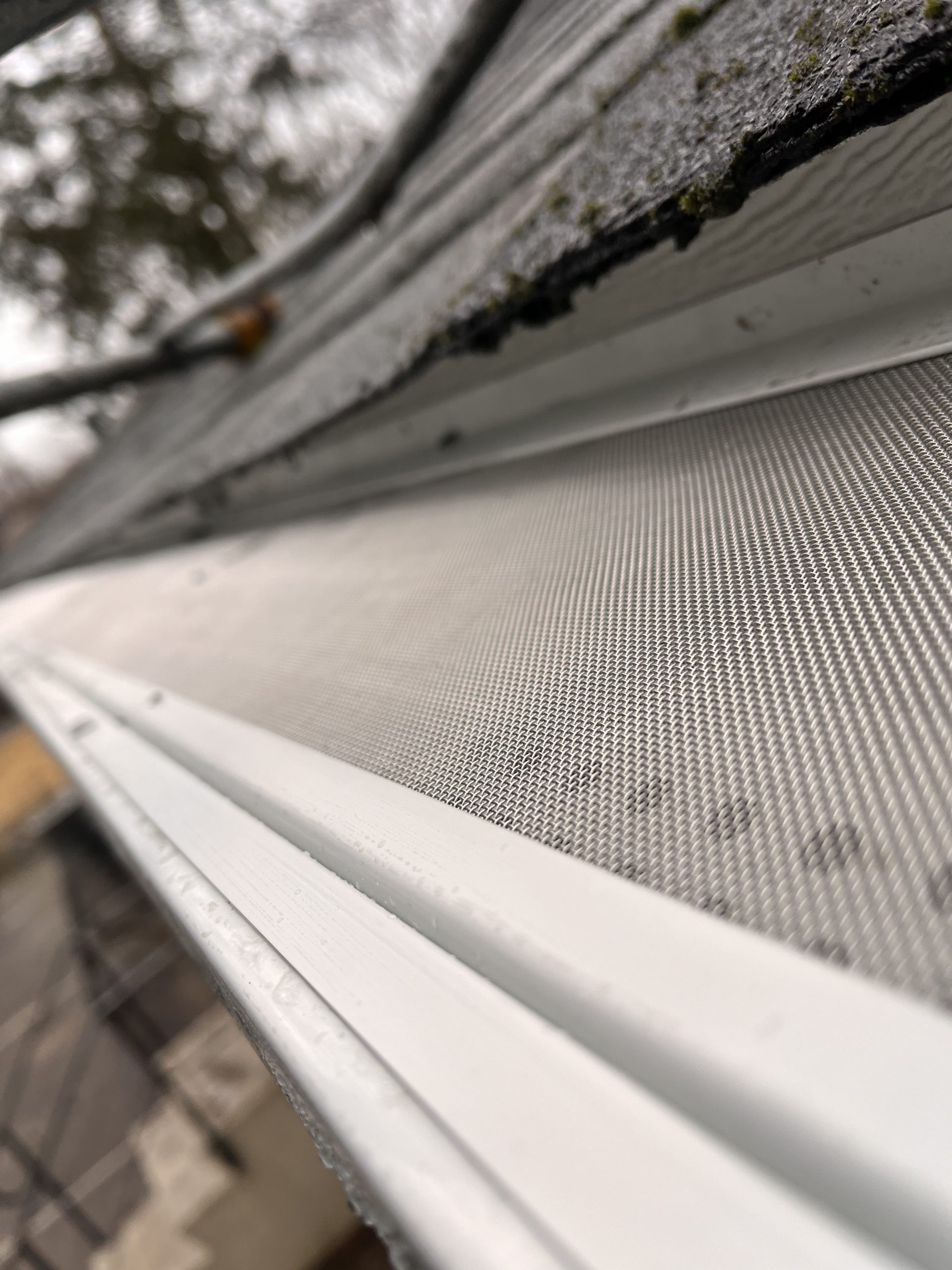
Gutters rarely get much attention until they fail. Then the signs show up fast: muddy splashback on siding, peeling paint near the roofline, a wet basement corner that was dry for years, or a trench carved into the flower bed by runoff. A well-installed gutter system does quiet, unglamorous work every time it rains. It moves thousands of gallons of water away from the house over the course of a year, protecting the roof edge, fascia, soffits, siding, foundation, and landscaping.
Homeowners often think of gutter installation as a simple add-on, something that gets tacked onto a roof replacement or repaired when a section sags. In practice, good results depend on judgment. The right material, the correct size, proper hanger spacing, sensible downspout placement, and the pitch of each run all matter. Small mistakes create problems that may not show up until the next heavy storm.
If you are weighing new gutters, replacing failing ones, or trying to decide whether to install them yourself or hire a crew, it helps to understand how the system works and where projects go right or wrong.
What gutters are really doing
A roof sheds water quickly. Even a modest house can concentrate a surprising amount of rain into narrow valleys and roof edges. During a strong storm, that runoff can hammer the ground around the foundation, stain masonry, and seep into places it should never reach. Gutters catch that water and direct it into downspouts so it exits at controlled points.
That sounds simple, but the load is not trivial. A one-inch rainfall on a 1,000-square-foot roof section produces roughly 600 gallons of water. Not all at once, of course, but enough to expose weak design. If the gutter is undersized, if the downspouts are too few, or if a valley dumps into a short section without enough capacity, water will overshoot the front edge. Homeowners often blame clogs when the real issue is system design.
A properly planned Gutter Installation accounts for local rainfall intensity, roof shape, slope, overhang depth, and even nearby trees. A ranch house with long straight eaves presents one set of challenges. A steep, cut-up roof with dormers and valleys presents another.
When a house needs new gutters, not another patch
Repairs make sense when the system is basically sound. A leaking seam can be resealed. A loose spike can be replaced with a modern hidden hanger. A downspout elbow knocked loose by a ladder can be reattached. But there comes a point where chasing failures costs more than replacement.
Watch for these signs that a fresh installation is the wiser investment:
- Frequent leaks at seams or corners, especially after previous sealant repairs
- Sagging runs, pulled fasteners, or visible separation from the fascia
- Rust, pinholes, or cracked sections that appear in multiple places
- Overflow during ordinary rain, even after cleaning
- Rotting fascia boards or erosion near the foundation below the gutters
Older sectional gutters often reach that stage gradually. One corner leaks, then another joint opens, then a spike loosens, then standing water appears because a run has lost its pitch. At that point, homeowners are not dealing with one defect. They are dealing with a tired system.
The main gutter materials and how they compare in real life
Material choice shapes cost, appearance, lifespan, and maintenance. There is no single best answer for every home. The right decision usually balances budget, climate, architectural style, and how long the owner expects to stay in the house.
Aluminum is the standard choice for many homes because it strikes a practical middle ground. It is lightweight, resists rust, comes in many factory finishes, and can be formed on site into seamless runs. For most suburban homes, aluminum delivers solid value. Its main weakness is denting. A leaning extension ladder, a falling branch, or a careless basketball game in the driveway can leave marks.
Vinyl appeals to budget-conscious homeowners because the upfront cost is lower and the material will not rust. It is also easy for a capable DIYer to handle. The trade-off is durability. In very hot climates, vinyl can warp. In cold regions, it can become brittle and crack. Expansion and contraction also challenge the joints over time. For a detached garage or a shed, vinyl can be fine. For a primary residence in a demanding climate, it often ages faster than homeowners expect.
Steel is stronger than aluminum and handles impact better. Galvanized steel gutters can work well in places where snow and ice are rough on the roofline. Still, steel is heavier and eventually vulnerable to corrosion if the protective coating is compromised. Installation requires a crew that knows how to manage the weight and finish the cuts cleanly.
Copper is the premium option. It lasts a long time, develops a distinctive patina, and suits historic or high-end homes beautifully. It also costs significantly more, both in material and labor. Copper is not just a gutter choice, it is an architectural decision. Done well, it elevates a house. Done poorly, it looks like an expensive mistake.
Zinc appears less often in some markets but deserves mention. It is durable, attractive, and long-lasting, with a softer look than aluminum and less showiness than copper. Availability and installer experience can be limiting factors depending on location.
Size and profile matter more than many homeowners realize
Most residential gutters are either five-inch or six-inch K-style, though half-round systems are also common on traditional and historic homes. Five-inch works on many standard rooflines. Six-inch gutters provide more capacity and a wider opening, which helps with heavy rainfall, long runs, and roofs with valleys that dump concentrated water.
A contractor who recommends six-inch gutters is not necessarily upselling. On many homes built in areas that see intense cloudbursts, six-inch is the smarter call. The cost increase is often modest compared with the damage caused by repeated overflow.
K-style gutters dominate newer construction because they hold a lot of water and have a shape that blends with modern fascia lines. Half-round gutters carry less water for the same width but suit certain architectural styles better and can be easier to clean in some cases because debris has fewer corners to lodge in. The right profile is partly a technical decision and partly a visual one.
Downspouts deserve equal attention. I have seen nicely sized gutters fail because there were too few outlets, or because a downspout was placed where it looked neat rather than where it could actually carry water away efficiently. A long front run with only one downspout at the far end may work on paper, but if nearby trees drop heavy debris or the roof valley feeds into the midpoint, that run can struggle.
Seamless versus sectional gutters
This is one of the clearest choices in modern Gutter Installation. Seamless gutters are formed on site from a coil and cut to the exact length needed for each run. That reduces the number of joints dramatically. Fewer joints mean fewer leak points and a cleaner appearance.
Sectional gutters come in pre-cut lengths joined together during installation. They are easier to transport and can be manageable for DIY work, but every seam is a potential future problem. Sealants age. Expansion works joints loose. Debris catches at internal connections.
For most homeowners replacing an entire system, seamless aluminum is the practical favorite. It is not literally seamless, since corners and downspout outlets still require connections, but it removes most of the weak points that plague older systems.
The details that separate a durable installation from a disappointing one
A gutter can look fine from the driveway and still be installed poorly. The differences show up in storms and over the years that follow.
Pitch is one of those details. Gutters are not installed perfectly level. They need a slight slope toward the downspout so water drains rather than ponds. Too little pitch leaves standing water, which attracts debris and strains hangers. Too much pitch looks crooked and can reduce capacity at the high end. Good installers keep the slope subtle but functional.
Hangers matter too. Older spike-and-ferrule systems are common on aging homes, but hidden hangers secured into solid fascia or rafter tails generally perform better. Spacing depends on material, climate, and manufacturer guidance, but tighter spacing is often used in snow country to handle extra load. When gutters pull away from the house, it is often because fasteners were inadequate or anchored into deteriorated wood.
Fascia condition is another critical checkpoint. New gutters attached to rotted fascia boards will not stay secure. Reputable installers check the substrate before hanging the new system. If fascia replacement is needed, it should happen first. Skipping that step is like mounting a new handrail into decayed trim and hoping for the best.
Downspout discharge is where many installations quietly fail. Water should be directed well away from the foundation, either through extensions, splash blocks, or underground drain lines that actually daylight to a suitable exit point. Too many homes have perfectly decent gutters that dump water right beside the foundation wall. The system collects water well, then drops it exactly where it can do harm.
Roof geometry changes the design
Not every eave behaves the same. Valleys concentrate water at specific points, especially on steep roofs. Those spots sometimes need oversized outlets, larger gutters, or a diverter to keep the flow from jumping the trough in a hard rain. Long runs can require more than one downspout. Short sections over bay windows or porches may need careful tie-ins so they do not overwhelm small decorative runs.
Homes in wooded areas face a different issue. The gutter may have enough capacity, but leaf and seed buildup can choke outlets quickly. Pine needles are especially troublesome because they create dense mats that trap water and granules from shingles. In those cases, discussing guards can make sense, though guards are not maintenance-free despite what some marketing suggests.
Ice is another factor in colder climates. Gutters are not the cause of ice dams, poor attic insulation and ventilation usually are, but gutters can suffer from the extra weight and freeze-thaw stress. Strong hanger systems, proper roof edge detailing, and attention to attic performance all help.
Gutter guards, useful in some cases, oversold in others
Homeowners often ask whether they should install gutter guards at the same time as new gutters. Sometimes yes, sometimes no. The honest answer depends on the property.
On homes surrounded by mature trees, especially oaks, maples, or pines, guards can reduce the frequency of major cleanouts and help keep downspouts flowing. On homes with little tree cover, they may offer limited benefit. Some guard systems handle leaves well but struggle with small debris or roof grit. Others work until a season of wet pine needles mats over the surface.
The problem is not that guards never work. It is that they are often sold as a permanent end to maintenance. That is not realistic. Even protected systems need periodic inspection, and some need occasional cleaning on top rather than inside. A homeowner choosing guards should evaluate them as a maintenance-reduction tool, not a maintenance-elimination tool.
What professional installation usually looks like
A competent gutter crew moves quickly, but the process is more deliberate than it appears from the ground. First comes measurement and planning. The team notes run lengths, corners, drop locations, roof valleys, fascia condition, and discharge options. If seamless gutters are being installed, the material is formed to length on site.
Old gutters come down carefully, especially around landscaping and decks. This is the moment when hidden problems often appear, such as rotten fascia, wasp nests behind the existing trough, or improvised repairs from a prior owner. Once the attachment surface is sound, the installers mark the slope, secure hangers, set the gutter runs, cut outlets, attach downspouts, and seal the necessary joints and end caps.
Then comes testing. Good crews run water through the system or at least visually verify slope and outlet flow before they leave. They also clean up metal scraps and fasteners. That last point sounds minor until a child finds a sharp offcut in the driveway.
Can a homeowner install gutters without hiring a crew?
Yes, in some situations. A single-story home with straightforward rooflines, accessible eaves, and sectional materials is within reach for a skilled DIY homeowner who works carefully and safely. That said, many gutter jobs become harder once the work begins. Long lengths are awkward to handle. Establishing a consistent pitch across a run takes patience. Cutting outlets cleanly is not difficult for a pro, but it can be frustrating for a first-timer. Ladder safety is a serious concern, especially when maneuvering ten-foot sections.
Multi-story homes, steep grades, complex roof geometry, and seamless systems generally push the job into professional territory. There is also the issue of fascia repair. Many homeowners discover soft wood only after the old gutters come off, and that changes the project immediately.
If you are considering the DIY route, ask yourself whether you are solving a simple installation problem or stepping into a water-management project with structural and safety implications. Those are not the same thing.
How much Gutter Installation costs
Prices vary widely by region, house size, height, material, and complexity. A small, simple one-story home in aluminum will cost far less than a multi-level home with steep roof sections, numerous corners, oversized downspouts, and premium materials. Labor rates also swing significantly from one market to another.
As a broad rule, seamless aluminum tends to be the value leader for full-house replacement. Copper sits at the high end by a large margin. The elements that push pricing up are not mysterious: more linear feet, more corners, higher eaves, difficult access, fascia repair, underground drainage tie-ins, and specialty finishes.
When comparing quotes, homeowners should look beyond the bottom-line number. Two bids can look similar while specifying different gutter sizes, different hanger spacing, different downspout counts, and completely different disposal or drainage details. A cheaper quote that omits needed downspout extensions or ignores fascia repair is not actually cheaper once the problems surface.
Questions worth asking before you sign a contract
A short conversation can reveal a lot about the quality of a contractor. You do not need to sound like an expert. You only need to ask practical questions and listen for clear answers.
- What size and profile do you recommend for this roof, and why?
- How many downspouts will the system have, and where will they discharge?
- What fasteners and hangers do you use, and how far apart are they spaced?
- Will you inspect the fascia before installation, and how is repair handled if needed?
- What workmanship warranty do you provide on leaks, pitch, and attachment?
Experienced contractors answer these questions plainly. They explain why one corner needs an outlet, why a valley may justify a larger size, or why the current discharge points are too close to the foundation. Vague answers are a warning sign.
Maintenance after installation
Even the best gutters need some attention. Leaves, twigs, granules, and seed pods accumulate over time. Downspouts can clog at elbows or outlets. Fasteners should be checked occasionally, especially after severe weather.
Most homes benefit from inspection at least twice a year, often in late spring and late fall. Houses with overhanging trees may need more frequent checks. The goal is simple: make sure water can enter, move, and exit without obstruction.
There are also clues visible from the ground. Overflow lines on the front lip, green staining, sagging sections, and water pooling near discharge points all suggest the system needs service. Small issues are cheap to correct early. Left alone, they become trim repairs, foundation moisture problems, or landscape damage.
Common mistakes homeowners regret
One of the most common mistakes is choosing the lowest bid without understanding what was left out. Another is assuming any gutter that fits the house is good enough. Capacity and drainage planning matter. So does workmanship.
A close second is ignoring where the water ends up after it leaves the downspout. Plenty of installations look sharp at the roofline and fail at grade level. If the discharge point saturates the soil beside the foundation, the house still has a water problem.
Some homeowners also underestimate color and profile. Gutters are visible architectural lines. A bright, mismatched color on the front elevation or a clunky profile on a period home can look off for years. Function comes first, but appearance deserves thought.
The role gutters play in protecting the rest of the house
It is easy to think of gutters as trim. They are not. They are part of the drainage envelope of the home, linked to roofing, siding, soffits, fascia, grading, and foundation performance. Poor drainage shortens the life of those other components.
I have seen houses where chronic overflow rotted porch columns at the base because runoff repeatedly splashed onto the same area. I have seen basements improve after nothing more exotic than adding correctly placed downspout extensions and reworking a mispitched gutter run. Water is patient. It finds the weak point and Gutter Installation keeps working.
That is why good Gutter Installation deserves more respect than it gets. It is preventive work. When done right, it disappears into the background and spares the homeowner from a string of expensive, avoidable repairs.
Making the right decision for your home
The best gutter system for your house is the one that matches your roof, your climate, your budget, and your tolerance for maintenance. For many homeowners, that Gutter Installation means seamless aluminum, properly sized, with enough downspouts and thoughtful discharge planning. For others, especially those restoring an older property or investing in a long-term exterior upgrade, copper or half-round systems may be worth the added expense.
What matters most is not the marketing label on the brochure. It is the quality of the design and installation. A gutter system is only as good as its slope, support, outlets, and drainage path. Get those details right, and the system will do its job quietly for years. Get them wrong, and you will keep seeing the same problems every time the sky opens up.
Just Gutters LLC
Address: 262 Main St, Hackettstown, NJ 07840
Phone number: +12013319454
FAQ About Gutter Installation Hackettstown
Can I install a gutter myself?
Yes, you can install gutters yourself. DIYers typically use aluminum or vinyl sections from home improvement stores. The project requires basic tools, precise measuring, and comfort working on ladders. Key steps include snapping a chalk line for a slight slope (1/4 inch per 10 feet toward downspouts), securing hangers every 2 feet, and caulking all joints securely.
How much does body contouring usually cost?
The Home Depot typically charges between $1,000 and $3,600 for a standard professional gutter installation on a typical single-family home with 200 linear feet of gutters. Calculated on a per-foot basis, the cost usually ranges from $5 to $18 per linear foot, highly dependent on the material you select.
How much does a 40 ft seamless gutter cost?
A 40 ft seamless gutter run will cost between $240 and $1,120+ fully installed, depending on the material you choose. Because seamless gutters require specialized on-site fabrication machines, they are rarely sold as DIY kits and are priced per linear foot.