How Gutter Installation Supports Long-Term Home Maintenance
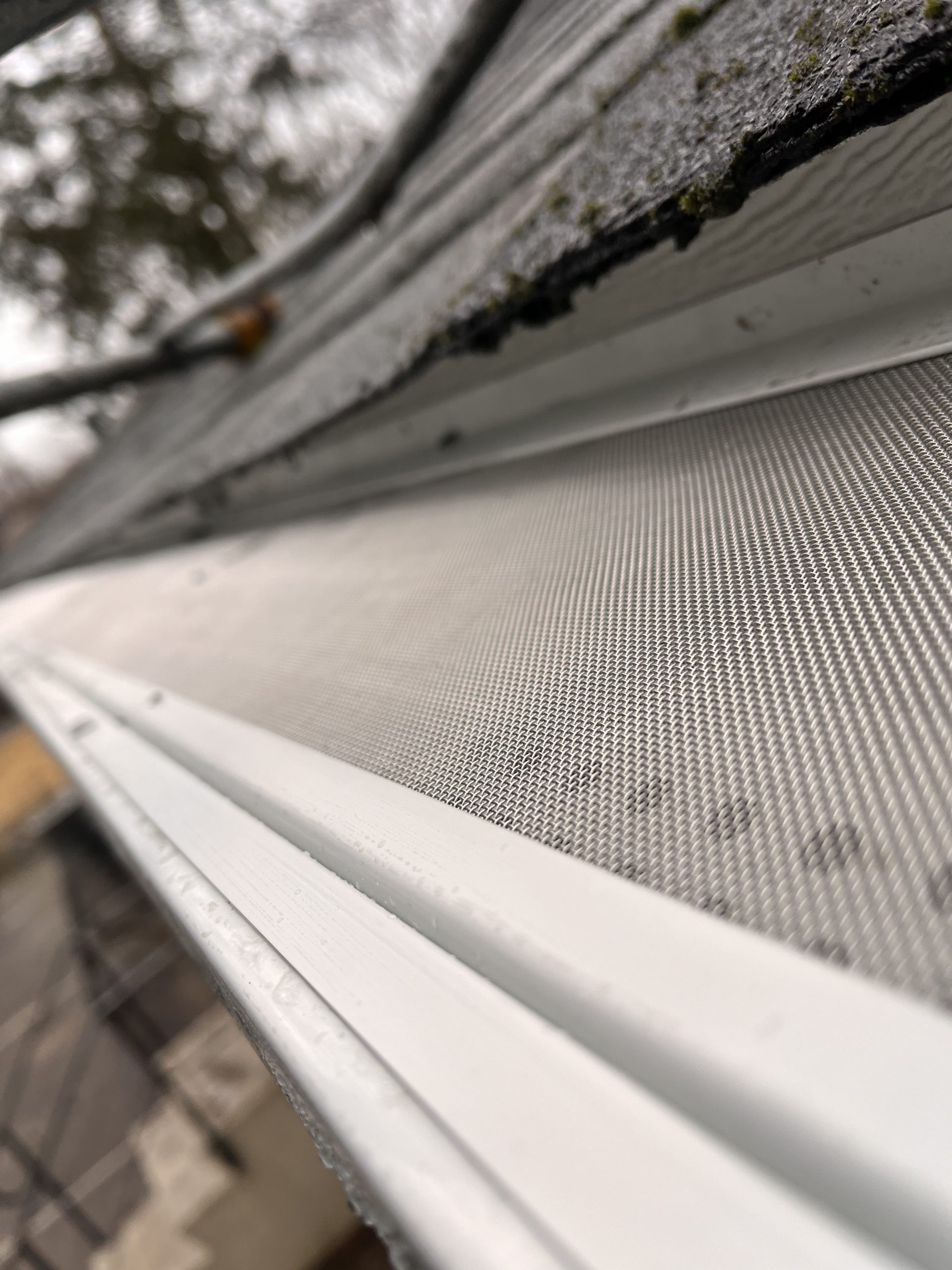


A well-built house can hide its vulnerabilities for years. Paint looks fine from the street, the roofline appears straight, and the landscaping softens every hard edge. Then water starts moving where it should not. A damp crawl space shows up after heavy rain. Mulch washes into the driveway. Hairline cracks spread along the foundation. Fascia boards begin to soften under peeling paint. None of those problems feel connected at first, yet in many homes they trace back to one overlooked system: the gutters.
Gutter Installation rarely gets the same attention as roofing, windows, or siding. It should. Gutters sit at a key point in the building envelope, managing the runoff that every roof produces. When they are sized correctly, pitched properly, and paired with sensible downspout placement, they do quiet, constant work that supports the life of the entire house. When they are poorly installed, undersized, or neglected, water starts taking the path of least resistance. Houses pay for that in slow, expensive ways.
The reason experienced contractors pay close attention to gutters is simple. Water is patient. It does not need a dramatic leak to create damage. Repeated wetting at the roof edge, around the https://telegra.ph/Choosing-Between-K-Style-and-Half-Round-Gutter-Installation-08-26 foundation, or near openings in the exterior can shorten the life of materials that otherwise would have lasted decades. Good gutters reduce that risk. They also make routine maintenance easier, protect exterior finishes, and help homeowners avoid preventable repairs.
Gutters do more than keep rain off your head
Most people understand the basic purpose of gutters. They catch runoff from the roof and move it away from the house. That is true, but it understates their role. A roof can shed hundreds of gallons of water during a strong storm. On a modest home, one inch of rainfall over 1,000 square feet of roof area produces roughly 600 gallons of runoff. A larger home can generate far more. Without a controlled path, that water pounds the soil near the foundation, splashes against siding, and finds weak points around trim, masonry joints, and basement walls.
That movement matters over time. Soil saturation near a foundation can contribute to settlement issues, especially where drainage is already poor or expansive clay is present. Repeated splashback can stain siding and brick. Water falling close to the house can seep into window wells or follow utility penetrations into lower levels. In colder climates, trapped water at the eaves can also contribute to ice problems, especially if the roof system has ventilation or insulation deficiencies. Gutters do not solve every building-science problem, but they remove a major source of unnecessary exposure.
From a maintenance standpoint, they function as a control system. They take something chaotic, rainfall intensity, roof geometry, wind-driven runoff, and channel it into a predictable route. That predictability is valuable. It allows the rest of the house to perform as intended.
Why installation quality matters more than many homeowners realize
A gutter system can look fine from the driveway and still perform badly. This is where installation quality separates appearance from function. In the field, the common failures are rarely mysterious. The gutter may be too small for the roof area. The pitch may be flat or inconsistent. Hangers may be spaced too far apart, allowing sagging over time. The downspouts may dump too close to the foundation. Seams may be placed in vulnerable spots. Flashing at the roof edge may be missing or misaligned, letting water run behind the gutter instead of into it.
Any one of those issues can undermine the whole system. I have seen newer homes with attractive exterior finishes develop rotted fascia because the drip edge tucked behind the gutter incorrectly, or not at all. During heavy rain, water slipped behind the trough and soaked the wood repeatedly. From the ground, the gutters looked new. Up close, the problem was obvious.
Proper Gutter Installation starts with roof drainage calculations and site conditions, not just color selection. Installers should consider roof slope, the length of the eaves, valley locations, local rainfall intensity, and where collected water can safely discharge. A steep roof with long runs and multiple valleys sheds water more aggressively than a simple low-slope roof. If the installer treats both roofs the same, overflow becomes much more likely during storms.
Material choice also affects long-term performance. Aluminum remains common because it is affordable, rust-resistant, and available in seamless configurations. Steel offers strength but can require more vigilance against corrosion over time. Copper lasts a long time and develops character, though the price places it in a different category. Vinyl can work in some settings but tends to be less forgiving in climates with temperature swings or heavy snow load. The right material depends on budget, climate, architecture, and how long the owner expects to stay in the home.
Protecting the foundation starts at the roofline
When homeowners think about foundation maintenance, they often picture structural engineers, crack monitoring, or drainage work in the yard. Those are sometimes necessary, but the first line of defense is much simpler. Keep roof runoff away from the base of the house.
That sounds basic, yet it is one of the most commonly missed maintenance principles. Water that lands near the foundation does two things at once. It increases hydrostatic pressure in the surrounding soil, and it erodes the grade that should be directing water away. Over a period of seasons, even small runoff problems can carve shallow channels, flatten the slope around the home, and create damp conditions in basements and crawl spaces.
Well-planned gutters and downspouts reduce that burden. The downspouts should not simply empty at the corner and hope for the best. They need enough extension or a tied-in drain path to carry water away from the footing zone. How far is enough depends on soil type, lot slope, and local drainage patterns, but a short splash block on a flat lot is often not doing as much as homeowners think.
In neighborhoods with tight lot lines, the issue becomes even more practical. Poorly directed runoff from one house can create standing water along a shared side yard, affecting both properties. That leads to fence damage, mosquito problems, and, sometimes, neighbor disputes that could have been avoided with better drainage planning at the time of installation.
Siding, trim, and masonry last longer when water is controlled
Exterior materials are durable, but few are designed for constant saturation. Even products marketed as low-maintenance have limits. Fiber cement, engineered wood, stucco, brick veneer, painted trim, and soffit components all benefit when rainwater is collected and redirected instead of repeatedly splashing against them.
This is especially true at lower wall sections. Without functioning gutters, runoff striking the ground can rebound onto siding in a dirty, mineral-laden mist. Over time, that creates staining, paint deterioration, and moisture stress near joints and bottom edges. Masonry may not rot, but mortar joints can weather faster when exposed to repeated wetting and freezing. Wood trim is even less forgiving. Once coatings fail and moisture gets in, repairs can escalate from scraping and repainting to full board replacement.
The hidden cost is not just materials. It is labor. A simple repainting cycle becomes a carpentry project when boards have softened. A siding repair becomes more extensive when the sheathing behind it has taken on moisture. A good gutter system helps preserve the finish schedule of the house. That matters because maintenance budgets are easier to manage when work happens on time, not as a reaction to avoidable water damage.
Roof edges and fascia boards depend on correct runoff capture
Roofing systems are designed as assemblies. Shingles, underlayment, drip edge, fascia, soffit, ventilation, and gutters all interact. Problems often show up at those transitions first because that is where water changes direction and where installation shortcuts are hardest to hide.
When gutters are mounted too low, water can overshoot them during heavy flow. When they are mounted too high, they may interfere with runoff or trap debris awkwardly at the roof edge. If the back edge of the gutter is not coordinated with the drip edge, water can curl behind the trough through surface tension and soak the fascia. If hanger placement is sloppy, the gutter can twist, especially under the weight of standing water or ice.
That is why long-term maintenance begins with details that seem minor on installation day. A properly aligned system reduces strain on the wood components it attaches to. It also limits the chance that a homeowner will discover damage only after a section pulls away. By then, the repair may involve fascia replacement, soffit work, and repainting, not just rehanging the gutter.
Basements and crawl spaces often tell the story first
Interior moisture complaints frequently lead back outside. A homeowner notices a musty smell in the crawl space, efflorescence on the basement wall, or a damp patch after a storm. The instinct is to look for a plumbing leak, and that makes sense. But if the issue worsens with rainfall, exterior drainage deserves close attention.
Poor Gutter Installation can feed these problems gradually. Overflow at one corner may not flood a basement outright. Instead, it can keep the adjacent soil wet enough that moisture starts moving through concrete or block. In a crawl space, that means higher humidity, more condensation risk, and a better environment for mold and wood-destroying pests. In a basement, it can mean chronic dampness, odor, stored-item damage, and pressure on sump systems that are already working harder than they should.
I have seen homeowners spend money on dehumidifiers and interior sealants while ignoring the fact that one downspout was discharging a few inches from the wall. Once runoff was redirected properly and the grading repaired, the interior conditions improved far more than they had from cosmetic interior measures alone. Not every moisture problem is that simple, but many are.
Gutters support landscaping, not just the building
Long-term home maintenance includes the yard, and gutters play a bigger role there than people expect. Concentrated roof runoff can scour planting beds, drown shallow-rooted shrubs, and strip mulch after every strong storm. It can also create muddy tracks beside walkways and patios, making the area around the home look worn before its time.
Landscaping near the foundation is particularly vulnerable. Decorative stone, bark mulch, and fresh topsoil all move easily when downspouts are poorly positioned. That forces repeated touch-up work and, in some cases, damages root systems by exposing them. On sloped lots, uncontrolled discharge can even contribute to erosion channels that direct more water toward neighboring structures or hardscapes.
The practical benefit of a good gutter system is that it stabilizes these areas. Water can be routed to drainage swales, underground drains, rain gardens, or safe discharge points that match the property layout. That makes the landscape easier to maintain and protects the money already invested in it.
Ice, snow, and seasonal stress
Cold climates place extra demands on gutters. Snow load, freeze-thaw cycles, and ice formation can test both the material and the installation method. This is where the cheapest option often becomes the most expensive over time.
A gutter that sags slightly in a warm season may hold standing water in winter. That water freezes, expands, and adds weight. Hangers strain, seams separate, and the next thaw sends water into places it should never reach. Ice dams themselves are usually linked to attic heat loss and ventilation issues, but gutters can still suffer collateral damage when ice builds at the eaves.
Stronger hanger systems, appropriate spacing, and careful pitch become more important in these regions. So does realistic maintenance. Homeowners sometimes assume gutter guards eliminate all winter concerns. They do not. Some guard styles help keep out leaves, but snow and fine debris still require monitoring, and no guard can compensate for poor drainage design or attic performance issues.
Choosing a system with maintenance in mind
Not every house needs a premium system, but every house benefits from a system chosen thoughtfully. The best decision balances budget, climate, architecture, and the owner’s ability to keep up with maintenance. A retired couple in a one-story ranch with few nearby trees may prioritize easy access and simple cleaning. A two-story home under mature oaks may benefit from seamless runs, oversized downspouts, and selective guards to reduce clogging frequency.
The details worth discussing with an installer are not glamorous, but they are the ones that affect ownership costs. Ask how many downspouts the design includes and why. Ask about hanger spacing, seam locations, and how water will be directed once it leaves the downspout. Ask whether existing fascia shows signs of damage that should be repaired before new gutters go up. A gutter system is only as reliable as the surface it is fastened to.
There is also a resale dimension here. Buyers notice signs of poor drainage, even if they cannot name every cause. Eroded beds, stained siding, settled walkways, or moisture in the basement raise concern. By contrast, a clean, functional gutter system signals that the home has been maintained with practical care. It is not a flashy upgrade, but it supports the credibility of the entire property.
Signs the current system may be undermining maintenance
Some gutter problems announce themselves dramatically. Others show up as recurring chores or subtle deterioration. These are the signs I advise homeowners to take seriously:
- Water spills over the front edge during moderate or heavy rain.
- Downspouts discharge so close to the house that soil stays damp for days.
- Gutters pull away from the fascia, sag between hangers, or hold standing water.
- Paint peels on fascia or soffit near the roof edge, especially in isolated sections.
- Mulch, soil, or gravel repeatedly washes out in the same areas after storms.
None of these symptoms should be treated as cosmetic. Each points to a drainage path that is not working as intended, and each can lead to more expensive maintenance if ignored.
The economics are better than many repairs they prevent
Homeowners sometimes delay gutter replacement because the old system still looks serviceable from a distance. That is understandable. Gutters compete with every other house expense, from HVAC repairs to appliance replacement. Yet from a maintenance perspective, they often offer a strong return precisely because they protect so many other components at once.
Compare the cost of quality Gutter Installation with the cost of foundation crack repair, repeated basement moisture mitigation, fascia replacement, exterior repainting due to water damage, or rebuilding eroded landscape beds year after year. Even when gutters are not the only factor in those failures, they are often a major contributor. Spending earlier on proper runoff control is usually cheaper than correcting the downstream problems later.
That judgment becomes even clearer in houses with complex rooflines. Valleys and intersecting roof planes concentrate water fast. A standard-size system placed without much analysis may work during average rain and fail during the storms that actually test it. Those failures tend to happen when the house is already under weather stress, which is exactly when maintenance costs rise.
Maintenance after installation still matters
Good installation reduces problems, but it does not make the system self-sustaining. Gutters need periodic inspection and cleaning. Debris loads vary widely by region and by tree cover. A house under pines may need more frequent attention than one on an open suburban lot. What matters is building a rhythm before clogs or hidden leaks become expensive.
A practical annual routine usually includes the following:
- Inspect the gutters in spring and fall, looking for sagging, loose fasteners, and standing water.
- Clean out leaves, grit, and roof granules before they block outlets and downspouts.
- Check discharge points to make sure extensions or drains still carry water away from the house.
- Watch the system during a hard rain at least once a year, because performance is easiest to judge when water is moving.
- Repair small issues quickly, since a loose hanger or minor leak is cheaper to fix before it damages wood or soil grades.
That last point matters. Home maintenance costs often grow because owners tolerate small defects that quietly worsen. Gutters reward prompt attention. A short service visit today can prevent a multi-trade repair next season.
When seamless and oversized systems make sense
Seamless gutters are popular for good reason. Fewer seams usually mean fewer leak points, and the cleaner appearance suits most homes. They are not magic, though. If the pitch is wrong or the discharge plan is poor, seamless construction will not solve overflow. It simply reduces one category of failure.
Oversized gutters and downspouts deserve consideration on larger roofs, steep roofs, and homes in areas with intense rainfall. They can also help where valleys dump concentrated flow into a short section of gutter. The trade-off is appearance. On some architectural styles, larger profiles may look heavier. That is a design decision worth talking through, but performance should lead. A discreetly larger system is often preferable to a visually slim one that fails in every major storm.
The right installer brings judgment, not just labor
This is one of those trades where experience shows up in details. A skilled installer notices the low spot in the grade where discharge should not go. They recognize when the fascia is too compromised to support a new system without repair. They understand that a corner with chronic overflow may need an extra downspout, not just resealing. They know that the neatest-looking layout is not always the one that handles water best.
Homeowners do not need to become drainage experts, but they should listen for that level of thinking when discussing a project. If the conversation focuses only on color, linear footage, and price, something is missing. The installer should be talking about slope, flow, roof area, outlet capacity, and where the water ends up after it leaves the gutter. Long-term maintenance depends on those decisions.
A small system with a large influence
The houses that age well usually share one trait. Water is managed deliberately. Roofs shed it, walls resist it, foundations stay drier because of it, and exterior materials last longer under that discipline. Gutters are part of that chain. They are not glamorous, but they influence a surprising amount of what homeowners later spend on repairs.
When Gutter Installation is handled carefully, the payoff is cumulative. The foundation sees less stress. The basement stays drier. The fascia lasts longer. Siding needs less corrective work. Landscaping holds its shape. Seasonal maintenance becomes more predictable. Over ten or twenty years, those benefits add up to real money and less disruption.
For a component that spends its life at the roofline and rarely earns praise when it works, that is a substantial contribution to the health of a home.
Just Gutters LLC
Address: 262 Main St, Hackettstown, NJ 07840
Phone number: +12013319454
FAQ About Gutter Installation Hackettstown
Can I install a gutter myself?
Yes, you can install gutters yourself. DIYers typically use aluminum or vinyl sections from home improvement stores. The project requires basic tools, precise measuring, and comfort working on ladders. Key steps include snapping a chalk line for a slight slope (1/4 inch per 10 feet toward downspouts), securing hangers every 2 feet, and caulking all joints securely.
How much does body contouring usually cost?
The Home Depot typically charges between $1,000 and $3,600 for a standard professional gutter installation on a typical single-family home with 200 linear feet of gutters. Calculated on a per-foot basis, the cost usually ranges from $5 to $18 per linear foot, highly dependent on the material you select.
How much does a 40 ft seamless gutter cost?
A 40 ft seamless gutter run will cost between $240 and $1,120+ fully installed, depending on the material you choose. Because seamless gutters require specialized on-site fabrication machines, they are rarely sold as DIY kits and are priced per linear foot.